Why Deadbolt Installation Is Not a DIY Shortcut
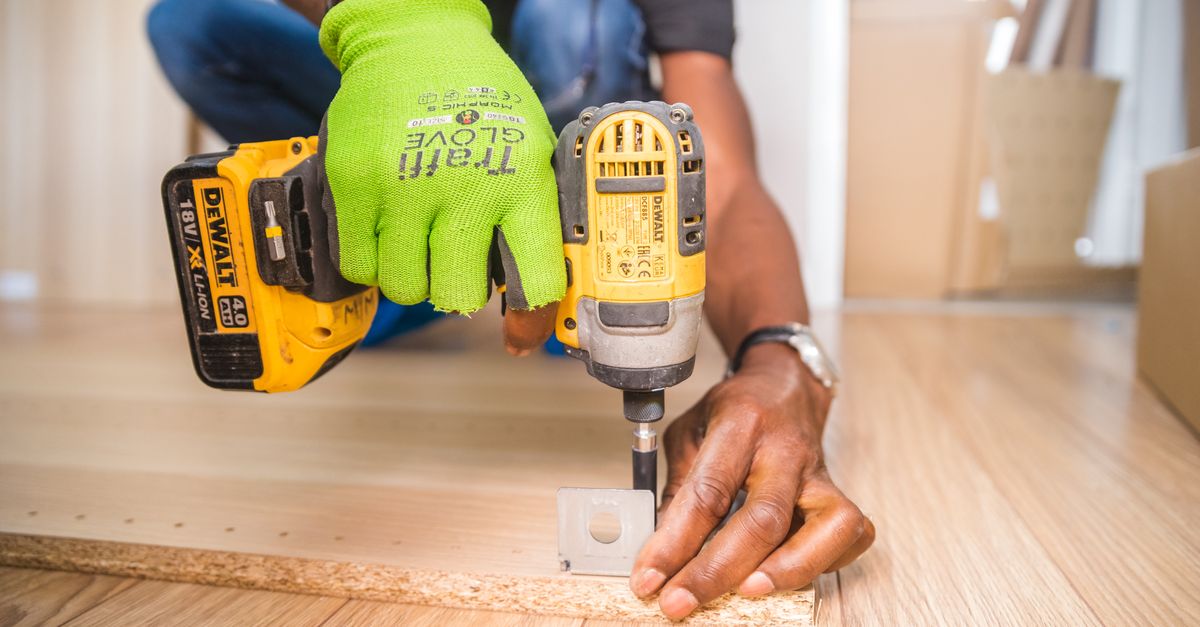
A deadbolt that looks installed and a deadbolt that is installed correctly are two very different things. Misaligned strike plates, shallow bolt throws, improperly sized bore holes, and loose set screws are among the most common mistakes made during self-installation — and each one quietly undermines the security the lock is supposed to provide. Our experienced technicians assess the door material, thickness, frame condition, and existing hardware before recommending or fitting any lock, ensuring that every component works as the manufacturer intended. In older Asbury Park homes — particularly the late-19th-century frame houses found throughout the North Side neighborhood — door frames may be slightly out of square, and that detail alone can mean the difference between a deadbolt that cycles smoothly and one that fails during an emergency.
Beyond alignment, the grade of the deadbolt matters enormously. ANSI Grade 1 locks meet the highest residential security standard and are the minimum we recommend for any exterior door. Grade 2 units have their place on interior or secondary doors. Our technicians walk you through the options — Schlage, Kwikset, and other trusted hardware brands — so you understand exactly what you are getting before the work begins. When a more robust solution is called for, such as on a multi-tenant building or a business with high foot traffic, we move the conversation toward commercial-grade mortise lock systems, which we cover in detail below.